Kaks suvist etüüdi
Pärnu ööklubis ütles mulle üks küll-ma-olen-äge tüüpi olemisega tüdruk baarileti ääres: Sul on päris lahe särk. (Paus). Eesti kontekstis. Ma siiamaani ei saa aru, kas see oli kompliment või peen solvang.
/…/
Täna tekkis mõte ujuma minna, aga sinivetikahirmus tahtsin enne veenduda, et rannas oleks ka dušš. Keegi Jensi korraldatud grill-brunchil ei osanud öelda, kas Pikakari plääžil on selline asi olemas või mitte. Peoperemees andis nõu seda küsida Tallinna infotelefonilt 1345. Helistasin, oodates robotihäält soovitusega helistada tagasi tööpäeval üheksast neljani või parimal juhul vestlust palavusest nõrkenud ametnikuga, kes ütleb, et tema teab ainult veeavariidest teatamise korda ning viimastel KO valimistel enim hääli saanud erakonna nime. Seetõttu oli minu üllatus suur, kui sõbralik naishääl ütles telefonis, et ta ise ei ole päris kindel, kas Pikakaril dušš on, aga ta võib kohe helistada vastavasse rannavalve üksusesse ja selle järele uurida. Vähem kui 10 minutit hiljem helistas sama hääl tagasi ja ütles, et hommikul oli dušš veel töökorras ja peaks seda olema ka praegu (st. kella kolme paiku päeval), kui just vandaalid pole seda jälle kõveraks keeranud. Ja kui ongi, siis helistagu ma tagasi ja ta laseb selle jälle korda teha.
On Edgar, kes ta on – vähemasti Pikakari rannaduši alase infovahetuse on ta osanud laitmatult korraldada.
Kodutus
Kui 1989. aastal isa ja vennaga elu esimesele Soome-reisile sõitsime, ei osanud arvatagi, et kunagi ligi kakskümmend aastat hiljem selle pärast kodutuks jään. Kõik algas ju nii ilusasti: majad oli ilusad, tänavatel olid värvilised reklaamid, igal pool müüdi Jenkki nätsu ning meie sugulaste tuttaval oli mopeed, millega ka mul sõita lubati. Loomulikult hakkas reisimine kohe meeldima ning järjepanu hakkasid kogunema reisielamused uutest maadest, varsti ka uutelt kontinentidelt.
Järgmine loogiline samm oli välismaale õppima minek. Kui peale Amsterdamis semestri jagu õppimist Tallinnasse tagasi lendasin, oli selline mõnus kojujõudmise tunne. Asju lahti pakkides jäi kodutunne aga kuidagi nõrgaks, nagu oleks seda mingi teise emotsiooniga lahjendatud. Nüüd tagantjärele saan aru, et tundsin siis esimest korda kodutusetunnet.
Ja see oli alles algus. Oma Kalamaja korteris, mille omal ajal pangaga kahepeale soetasin, magasin viimati 2007. aasta alguses. Siis kolisin Londonisse ning minu pööningukorter muutus vaikselt, aga kindlalt kodust kinnisvaraks, mida emotsioonidest tugevamalt jäid minuga siduma mitmesugused lepingud ja arved.
Peale poolt aastat Inglismaa pealinnas hakkasin seda ka oma koduks pidama. Kui kodutunne Thamesi ääres esimest korda tekkis, mõtlesin võidukalt, et mul on nüüd lausa kaks kodu. Ühtemoodi mõnus tunne oli nii Eestis kui oma Shoreditchi üürikas. Aga millalgi siis, kui Tallinnas esimest korda plaanitult hotellis ööbisin, kui peast käis läbi, et tegelikult olen ma hoopis topelt kodutuks jäänud. Mingid tegemised, asjad või sõbrad olid alati 1800 kilomeetrit eemal, ükskõik kus ma ka ei olnud. Nii et ma ei ole juba kolm ja pool aastat kodus olnud, ja kodu all ei mõtle ma konkreetset aadressi, vaid selle sõna abstraktset tähendust.
Neli aastat tagasi võisin ma kulutada kaks laupäeva õige lugemislambi leidmiseks, nüüd piisab sellest, kui taksoga ööpoest läbi sõita ja järjekordne hambahari osta. Kuhu edasi? Seda kirjatükki toksin arvutisse lennukis, teel San Franciscosse, kus paiknen natuke vähem kui järgmise kuu. (Sõna “elan” oleks siinkohal liiga pretensioonikas, alla kolme või isegi kuue kuu kuskil viibimised on ju lihtsalt pikaksvenitatud turism.) San Franciscos jäävad lihtsasti silma tänavatel elavad inimesed, kes oma asju ostukäru sees ühest kohast teise veeretavad. Minul sellist ostukäru ei ole, küll aga on enamasti kaasas surfilohede kott, kuhu lisaks surfikamale mahub kenasti ka umbes 5 T-särki, kotike hambaharjandusega, pooleliolev raamat ja paar teksaseid. Olen mõelnud, et peaks järgmisena ostma natuke suurema ja rullikutega lohekoti, ja see oleks ju veel üks sammuke kodutusele lähemal.
Mõistagi ei pea ma ennast päris kodutuks, ma olen lihtsalt üks neist, kes tahaksid oma koduaadressiks kirjutada feissbookilikult it’s complicated. Ja see ilmselt ei kesta igavesti, võibolla saab juba homme kohvri otsas elamise isu otsa, ma lõikan passi ja lennufirmade kaardid puruks ning sukeldun kodumaal igaveseks diivanisse.
Seniks aga tahaks öelda aitäh inimestele nagu Aare, Tanel, Aivar, Merike, Alan, Salka ,Taavet, Heiki, Johanson ja Kristjan, kes on allakirjutanule ning teistele minusugustele erinevates riikides öömaja pakkunud ning kodutu olemise palju … kodusemaks teinud.
Avaldatud Kohvri paberkehastuses 15. juulil. Online seda pole, ju oli internetiväljaandes ruum otsas.
Coming of age of Old Tallinn
Here’s a peak into evolution of Vana Tallinn, the mighty Estonian drink, design and package copy.

Visual differences between the old and the new are obvious and need no analysis by a non-design guy. Copy offers more insight into the brains of brand managers. The back label of the old bottle starts off with For over a quarter century Liviko’s Vana Tallinn has met with favour not only in Estonia but in Russia and Northern Europe, roughly translating into Hey, we really wouldn’t try to sell you this weird strong liquour if Finns and Russians didn’t buy it for reasons unknown to us. The new version is slightly more confident, implicitly stating: it’s what we in Estonia drink, take it or leave it. The old bottle suggests mixing with cream or sparkling wine (I got a headache just from writing this sentence), new one leaves more room for expirements: excellent ingredient for various cocktails.
Another addition is appreciation of craftsmanship which just jumps out of the newest reincarnation of Vana Tallinn. This genuine liquour has been created by Estonian Craftsmen. Based on one hundred years of experience. Are you picturing oak barrels and red-faced men with aprons mixing secured ingredients yet? The old bottle was much less romantic, just stating the aforementioned “over a quarter century”. However, the Estonian copy on the same label says that Vana Tallinn has been enjoyed from 1960 onwards, leaving me slightly confused. It’s either that the English copy was translated in 1985 and was never touched since or that the translator sought too much inspiration from the product at hand.
Many thanks to Alex and Kaisa for the great dinner on their roof terrace where this piece of history unfolded. Here’s to ice-cream with Vana Tallinn for desert!

No more wonderwall
Greetings from San Francisco, a place where surf and burritos are good and Silicon Valley is near. In all this haste there’s a bit of bad news I haven’t told you. Just before I left London I saw that the Red Lion pub near my old flat has sold out and they’ve taken the wonder out of the wonderwall. [Sigh]. This is what the damn thing looks now:

As a nod to the glorious past of this pub wall here’s its colorful history as seen by yours truly. Back in February 2008 I saw a few people messing with a poster I quite liked.

What I saw the next day was even more likeable.

Then, a couple of months later there was this instead.
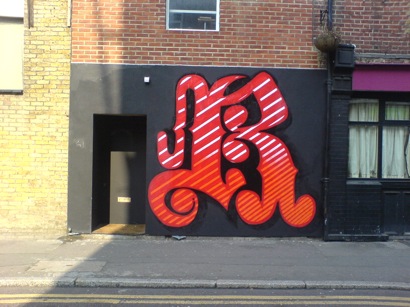
Sweet, this keeps getting better and better, I thought and now I was already looking forward to the next piece of street art. April last year brought us this.

As soon as a month later there was a new street marvel to be marvelled. Little did I know it was the last one.

Enjoy your meals at the Red Lion! (There’s little else to enjoy there now).
Luuletus, üle pika aja
Saatsin sõbrale täna ühe jutu jätkuks ühe vana luuletuse. Kuna see kutsus esile positiivse emotsiooni, riputan ta siiagi. Ja äkki varsti jälle.
EESTLASEKS JÄÄN
Ma olen lihtne eesti mees
Siin keset põlde, metsi
Kardula ja nisu maikuus panen maha
Kuudis Pauka on, ja
Aias abistamas naine
Paukat patsutan, ja naisele ma vahel panen taha
Söön muidu lihtsalt
Vahel siiski püssi toon
Ja toidulauale saan hirve, põdra
Kui püha käes
Joon ennast maani täis
Löön kulmu vahvalt rulli hüval sõbral
How I became jobless
Easy. I took a piece of paper and wrote on it that I wanted to resign. After a almost four and a half years at Skype I felt it was time to move on. Thanks to Sten Tamkivi, Jonas Kjellberg, Nicola Riordan, Shervin Moghaddam and Simon Longbottom for their support, inspiration, fine advice and, at times, patience.
Next up is working with two great startups. Erply has been called the Skype of business software by TechCrunch. I like the ambitious goals of Kristjan and team and am looking forward to adding my contribution to reaching them. Then, who knows, maybe in a couple of years Skype will be called the Erply of internet communications;)
I am also teaming up with Jüri Kaljundi and the Nagi crew to build a little something that makes recruiting good people simpler. More on that soon.
How I became homeless
I’ve lived away from Estonia for almost three and a half years. Some time in the second year I started feeling very much at home in London. And at the same time I still felt at home when visiting Estonia, despite having to sleep in hotels. Sweet, I’m at home in two places, I thought. But on the flipside I was actually double homeless (if such a thing exists) as I was never in my one and only home.
Next couple of months look to shake up the institution of home even more, and I’ll probably set a new world record homelessness in the category of people that are a tenant in one flat (or maybe two) and landlord in another.
Have I regretted letting myself become homeless like this? Just one thing – that I didn’t pick darts or swimming as my favourite hobby and now have to drag a kitesurfing bag from place to place.
Greatest marketers of all times
I always thought marketing was invented in the US about a hundred years ago or so. Little did I know that clever merchants from the East thousands of years earlier were much better in the art of making products desirable than yours truly and most of my colleagues.
 Artificially limiting supplies to drive prices up was a good start. Coming up with outrageous legends about spices and the dangers that spice harvesters had to face was simply genius. Herodotus writes of Arabic merchants that claimed that the only way to get cinnamon was to pick a fight with some huge aggressive birds who made their nests from these aromatic sticks. If you wanted cinnamon you had to slaughter a cow, cut it to pieces and leave the meat on the bottom of the mountain where the birds lived (and of course hide very quickly). The gluttonous birds would then fetch all the meat they could carry back to their nests, which at some point would break under the weight of the meat and roll downhill to be picked up by the brave cinnamon harvesters. Or take frankincense that supposedly came from trees guarded by flying snakes (as if crawling snakes weren’t bad enough). The only way to get access to the precious incense was to first smoke another incense that the snakes didn’t like and then do the harvesting faster than lightning.
The legends worked rather well – back in the day the black pepper we carelessly add to our salads and fried eggs had a one-on-one exchange rate with gold. Or take the fact that Ramses II was buried with one peppercorn up each nostril (not gold or a marble chiseled credit card). More about spices in this episode of Planet Money podcast
.
Hats to the clever men from the East for their marketing genius. People want stories (if not legends), not product features, newsletters or special offers. Will try to keep that in mind more often.
What we did in the garage
A lot has been said about Garage48 (including my own summary over at Skype’s Estonian blog), so there is no need to waste many more pixels and bytes on it. In summary the thing I enjoyed the most was the mindset to get stuff done fast. It takes 10 minutes to tweak functionality and no more than 10 second to change copy on the live front page. From a certain size on you can’t maintain that pace without yourself of your users going crazy but it was fun. Yup, sitting on the floor or windowless meeting room for most of the weekend with mostly guys, and drinking industrial quantities of notably bad coffee was fun.
Our team launched Talepath – a service that connects books and movies to real-life places. Feel free to take a peak but as we’re continuing to work on it please don’t bother adding your faves just yet. Wait for further announcements here or on our Facebook page.